Solar Energy 101: A Complete Beginner's Guide
Learn how solar panels work, what to expect from installation, and whether solar is right for your home. A comprehensive starter guide for 2026.
What Is Solar Energy?
Solar energy is power captured from sunlight and converted into electricity you can use in your home. It is the fastest-growing energy source in the world, and for good reason: the sun delivers more energy to the Earth's surface in one hour than humanity uses in an entire year.
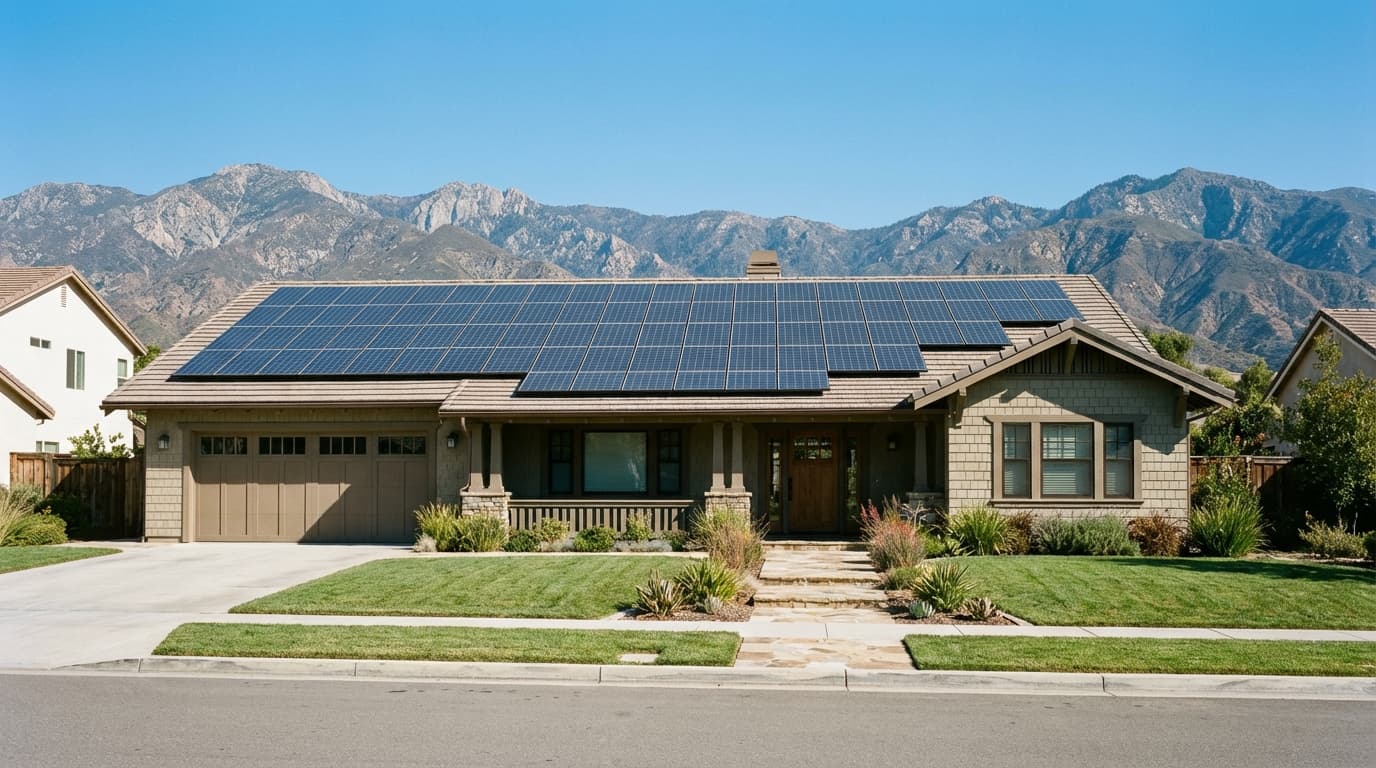
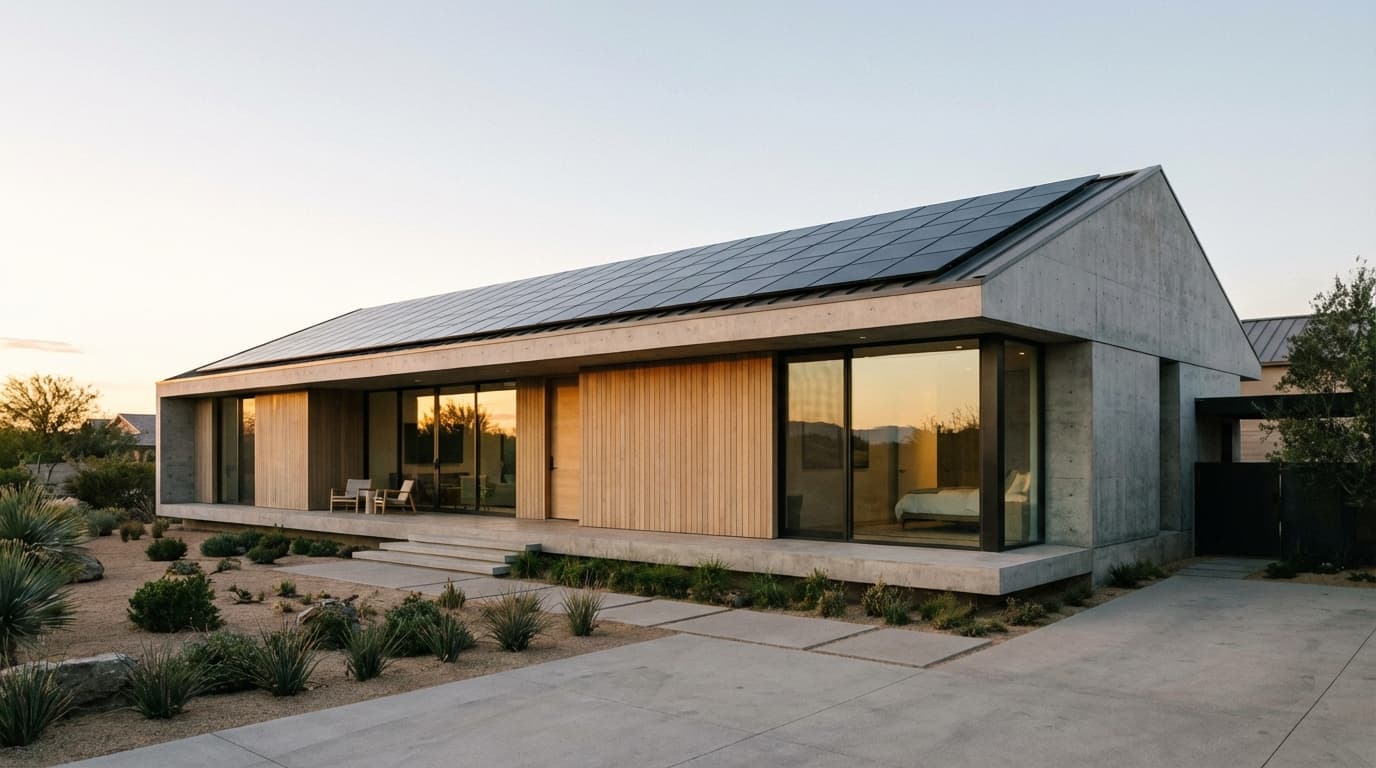
Residential solar panels, also called photovoltaic (PV) panels, sit on your roof and silently generate electricity whenever the sun is shining. That electricity powers your lights, appliances, air conditioning, and everything else in your home. Any excess can be sent back to the grid for credit on your electric bill.
How Do Solar Panels Work?
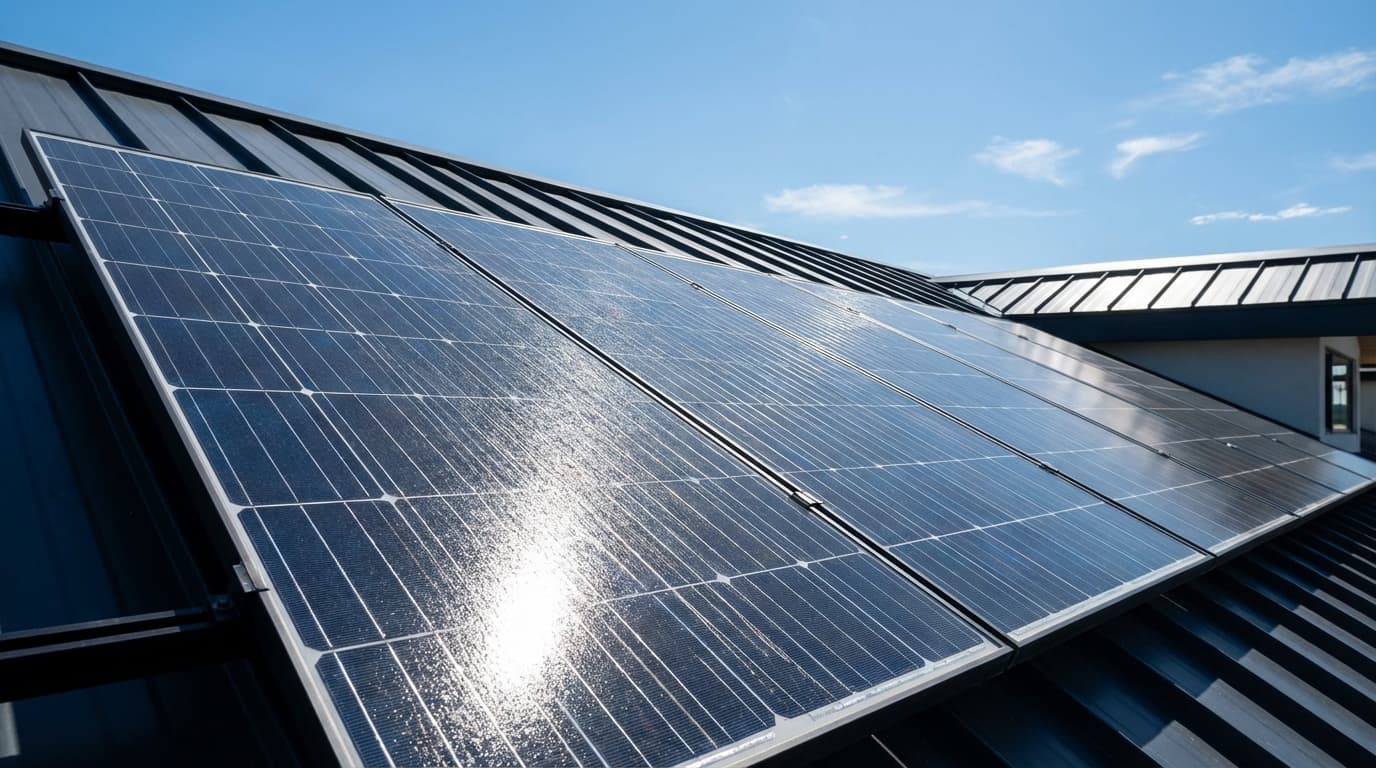
Solar panels are made up of photovoltaic cells, typically crafted from silicon. When photons from sunlight strike these cells, they knock electrons loose from their atoms. This movement of electrons creates a flow of direct current (DC) electricity.
Since your home runs on alternating current (AC), an inverter converts the DC power into usable AC electricity. The entire process is silent, has no moving parts, and produces zero emissions.
Key Components of a Home Solar System
Is Solar Right for Your Home?
Solar works best under certain conditions, but modern technology has made it viable for the vast majority of American homes. Here are the key factors to consider.
Roof Condition and Orientation
South-facing roofs with minimal shading receive the most sunlight in the Northern Hemisphere. However, east- and west-facing roofs can still produce 80 to 90 percent of optimal output. Your roof should be in good condition with at least 15 years of life remaining, since panels typically last 25 to 30 years.
Sunlight Availability
While solar panels perform best in sunny climates like Arizona or California, they work effectively in every U.S. state. Germany, which receives less sunlight than most of the United States, is one of the world's leading solar nations. Panels still generate electricity on cloudy days, just at reduced efficiency.
Electricity Costs
The higher your current electric bill, the more you stand to save with solar. Homeowners paying $100 or more per month in electricity costs are typically strong candidates. If your utility rate is above $0.12 per kilowatt-hour, solar likely makes financial sense.
Homeownership
If you own your home, you have full control over installation decisions. Renters can still benefit from solar through community solar programs, which we cover in a separate guide.
The Financial Case for Solar
The economics of solar have never been better. The average cost of residential solar has dropped by more than 70 percent over the past decade. In 2026, a typical 6-kilowatt (kW) system costs between $15,000 and $20,000 before incentives.
The federal solar Investment Tax Credit (ITC) currently offers a 30 percent tax credit, which can reduce a $17,000 system to roughly $11,900 out of pocket. Many states offer additional rebates, tax credits, and performance-based incentives that lower the cost even further.
Most homeowners see a payback period of 6 to 10 years, after which the electricity is essentially free for the remaining 15 to 20 years of the system's life. Over 25 years, total savings typically range from $25,000 to $50,000 or more, depending on your location and electricity rates.
What to Expect During Installation
The solar installation process is straightforward, though it does require some patience with permitting and inspections.
Step 1: Consultation and Quote
A solar installer will assess your roof, review your electric bills, and design a system sized to your needs. At SmartEnergyUSA, you can compare multiple quotes from vetted installers in your area to ensure you get the best deal.
Step 2: Design and Permitting
Your installer handles the engineering design and submits permit applications to your local building department. This step typically takes two to four weeks.
Step 3: Installation
The actual installation usually takes just one to three days. Crews mount the racking, attach the panels, wire the system, and install the inverter.
Step 4: Inspection and Interconnection
A local building inspector verifies the installation meets code. Then your utility installs a net meter and grants permission to operate. This final step can take one to four weeks depending on your utility.
Common Myths About Solar
Myth: Solar panels do not work in cold climates. Panels actually perform more efficiently in cooler temperatures. Snow typically slides off tilted panels, and the reflective properties of snow can even boost production.
Myth: Solar panels damage your roof. Professional installations use industry-standard flashing and sealants that actually protect the portion of the roof beneath the panels from weather exposure.
Myth: Solar is too expensive. With the 30 percent federal tax credit and $0-down financing options, many homeowners go solar for less than their current electric bill payment.
Getting Started with Solar
The best first step is to understand your current energy usage and get personalized quotes from multiple installers. SmartEnergyUSA makes this easy by connecting you with pre-screened solar companies in your area. You can compare pricing, equipment, and warranties side by side.
Ready to see how much you could save? Get a free solar quote through SmartEnergyUSA and take the first step toward energy independence.