Go solar. Save thousands.
In minutes.
Compare instant quotes from vetted local installers. Real prices, real incentives, no pressure — just the lowest cost path to going solar.
2-minute formNo obligationVetted installers only
Three steps to solar savings
From ZIP code to installation, we make going solar simple and transparent.
Enter your ZIP code
Tell us where you live and your monthly energy bill — that's all we need to start.
Compare real quotes
Get free quotes from top-rated local installers in 24-48 hours. No spam, no pressure.
Go solar & start saving
Pick the best option, get installed in weeks, and start saving — backed by our network.
Everything you need to go solar smarter
Independent research, transparent pricing, and quotes from installers we've already vetted.
Find out exactly how much solar panels cost in your state. Compare system prices, payback periods, and 25-year savings.
View costs by state
Solar Companies
Top-rated installers in your state. Read reviews, compare ratings, find trusted local pros.
Find installers
Solar Incentives
Federal, state, and local incentives. Tax credits, rebates, net metering, SRECs.
Explore incentivesWhy 2026 is the year
Solar options across America
Local costs, top installers, and every available incentive — for all 50 states.
Northeast
Southeast
Midwest
Southwest
Frequently Asked Questions About Solar Energy
Solar panels convert sunlight into electricity through photovoltaic (PV) cells made of semiconductor materials, typically silicon. When sunlight hits a PV cell, it knocks electrons loose from atoms, creating an electrical current. An inverter then converts this direct current (DC) into alternating current (AC) that powers your home. Any excess energy can be sent back to the grid for credits through net metering, or stored in a battery system for later use.
Most homeowners save between $20,000 and $50,000 over 25 years by going solar, though savings vary significantly based on your location, electricity rates, system size, and available incentives. Homes in states with high electricity rates and strong sunshine, like California and Arizona, tend to see the highest savings. The 30% federal tax credit and state-specific incentives can reduce your upfront cost by 30-50%, shortening the payback period to 5-10 years in most states.
Modern solar panels are built to last 25 to 30 years or more. Most manufacturers provide 25-year performance warranties guaranteeing that panels will produce at least 80-85% of their original output after 25 years. The actual degradation rate is typically about 0.5% per year, meaning panels still produce significant electricity well past their warranty period. Inverters may need replacement once during the system's lifetime, typically after 10-15 years.
The federal Investment Tax Credit (ITC) allows you to deduct 30% of the total cost of your solar installation from your federal income taxes. For example, if your system costs $20,000, you can claim a $6,000 tax credit. This is a dollar-for-dollar reduction in your tax liability, not just a deduction. The 30% rate is available through 2032, after which it steps down to 26% in 2033 and 22% in 2034. You must owe enough in federal taxes to claim the full credit, though unused portions can be carried forward.
Yes, solar panels produce electricity on cloudy days, though at reduced capacity, typically generating 10-25% of their rated output under heavy cloud cover and 50-80% under light clouds. During winter, shorter days mean less production, but panels actually operate more efficiently in cold temperatures. In fact, Germany, which has similar sunshine levels to Alaska, is one of the world's largest solar markets. Annual production averages account for seasonal and weather variations.
Buying solar panels (with cash or a solar loan) typically provides the best long-term financial return because you own the system, claim the tax credit, and keep all the savings. Leasing or entering a Power Purchase Agreement (PPA) requires little to no upfront cost but offers lower total savings since the leasing company claims the tax credit and charges you for the electricity. Buying also increases your home value, while leased systems can complicate home sales. For most homeowners who can afford the upfront investment or qualify for a loan, purchasing is the recommended option.
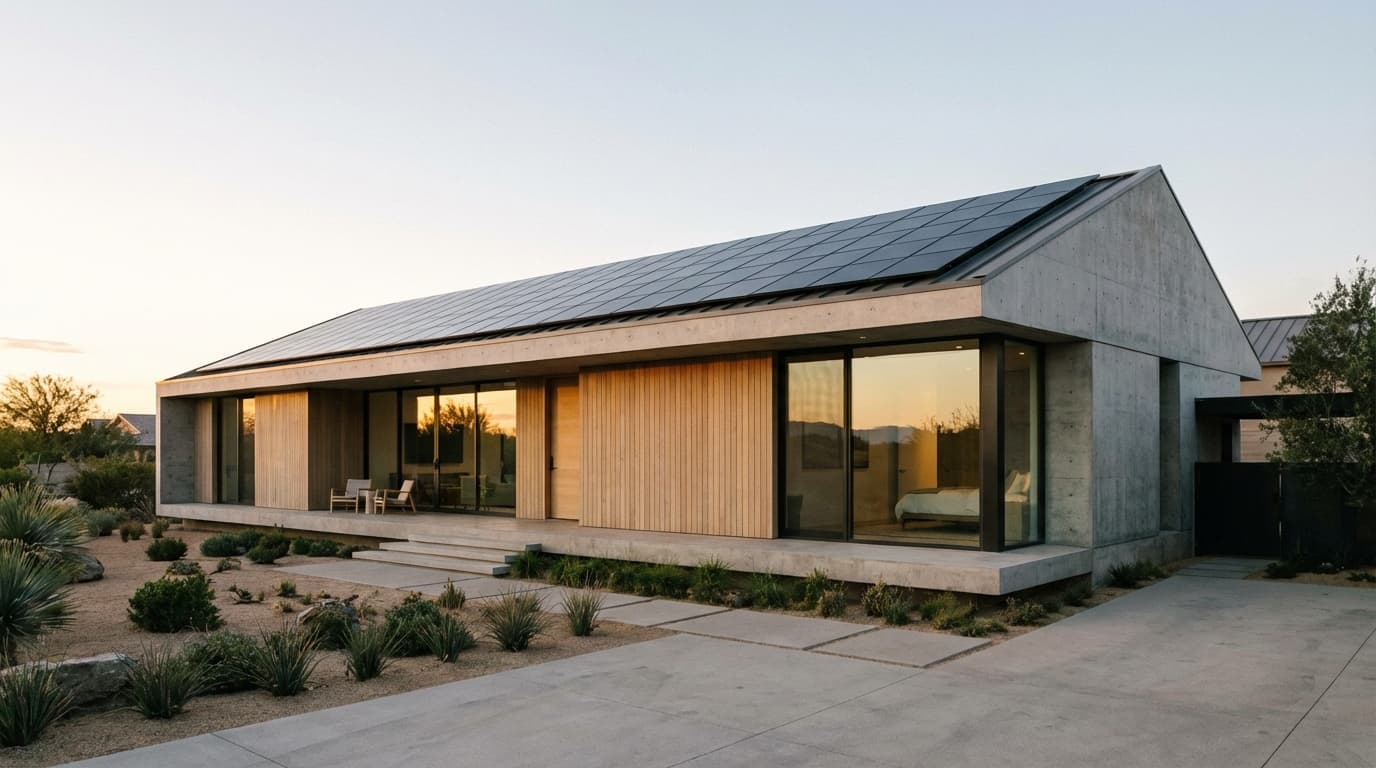
Start saving with solar today.
Join thousands of homeowners who've switched to clean energy and locked in decades of lower bills.