The True Cost of Electricity: Why Rates Keep Rising
U.S. electricity rates have risen 3-5% annually for decades. Understand what drives rate increases and how solar protects you from rising costs.
Electricity Costs Are Rising Faster Than Inflation
Over the past two decades, residential electricity rates in the United States have increased at an average rate of 3 to 5 percent per year, outpacing general inflation. The average residential rate has climbed from $0.085 per kWh in 2000 to approximately $0.17 per kWh in 2026, a 100 percent increase.
But this national average masks significant regional variation. Rates in states like California ($0.28/kWh), Massachusetts ($0.26/kWh), and Connecticut ($0.25/kWh) are far above the average, while states like Idaho ($0.10/kWh) and Louisiana ($0.10/kWh) remain lower.
Understanding why rates rise helps explain why solar energy has become such a compelling financial decision.
What Drives Electricity Rate Increases?
Aging Infrastructure
Much of America's electrical grid was built in the mid-20th century and is reaching the end of its useful life. Replacing aging power plants, transmission lines, transformers, and distribution systems requires massive capital investment. Utilities pass these costs to ratepayers through approved rate increases.
The American Society of Civil Engineers estimates that the U.S. needs to invest over $200 billion in grid modernization over the next decade. These costs flow directly to your electric bill.
Fuel Cost Volatility
Natural gas generates roughly 40 percent of U.S. electricity, making electricity prices sensitive to natural gas market fluctuations. When natural gas prices spike due to cold winters, supply disruptions, or export demand, electricity rates follow.
Coal, which still generates about 16 percent of U.S. electricity, faces rising costs from mine closures, environmental compliance, and transportation expenses.
Environmental Compliance
Stricter environmental regulations require utilities to invest in pollution control equipment, coal ash remediation, and carbon reduction measures. These compliance costs are added to customer rates. Even utilities that have transitioned away from coal face legacy environmental cleanup costs.
Extreme Weather and Grid Hardening
Climate change is increasing the frequency and severity of extreme weather events. Utilities spend billions repairing storm damage and hardening infrastructure against future events. After Hurricane Ida in 2021, Entergy sought $3.2 billion in storm recovery costs from Louisiana ratepayers.
Grid hardening measures like burying power lines, upgrading poles, and improving vegetation management add ongoing costs that are passed through to customers.
Growing Demand
Electrification of transportation (EVs), heating (heat pumps), and cooking is increasing electricity demand. While this transition reduces fossil fuel use overall, it requires grid upgrades to handle higher peak loads. Data centers for AI and cloud computing are also adding massive demand in certain regions.
Utility Profit Requirements
Investor-owned utilities are guaranteed a regulated rate of return on their capital investments, typically 9 to 11 percent. Every dollar a utility invests in infrastructure earns them this return, creating an incentive to build and upgrade. While these investments may be necessary, the profit margin is funded by ratepayers.
Regional Rate Trends
Northeast (Highest and Fastest-Rising)
States like Massachusetts, Connecticut, and New Hampshire have seen rates climb 50 to 80 percent over the past decade. High natural gas dependence, aging infrastructure, and cold winters drive these increases.
California (Extreme Case)
California's rates have risen faster than almost any other state, driven by wildfire liability costs, grid modernization mandates, and the transition away from natural gas. Some utility customers now pay $0.40 or more per kWh during peak hours.
Southeast (Moderate but Accelerating)
Traditionally a lower-cost region, southeastern states are seeing accelerating rate increases as utilities invest in infrastructure upgrades and retire older plants.
Midwest and Mountain West (Lowest but Rising)
States with abundant hydroelectric power (like Idaho and Washington) and low population density have enjoyed the lowest rates. But even these states are seeing 2 to 4 percent annual increases as grid upgrades become unavoidable.
How Solar Protects You from Rate Increases
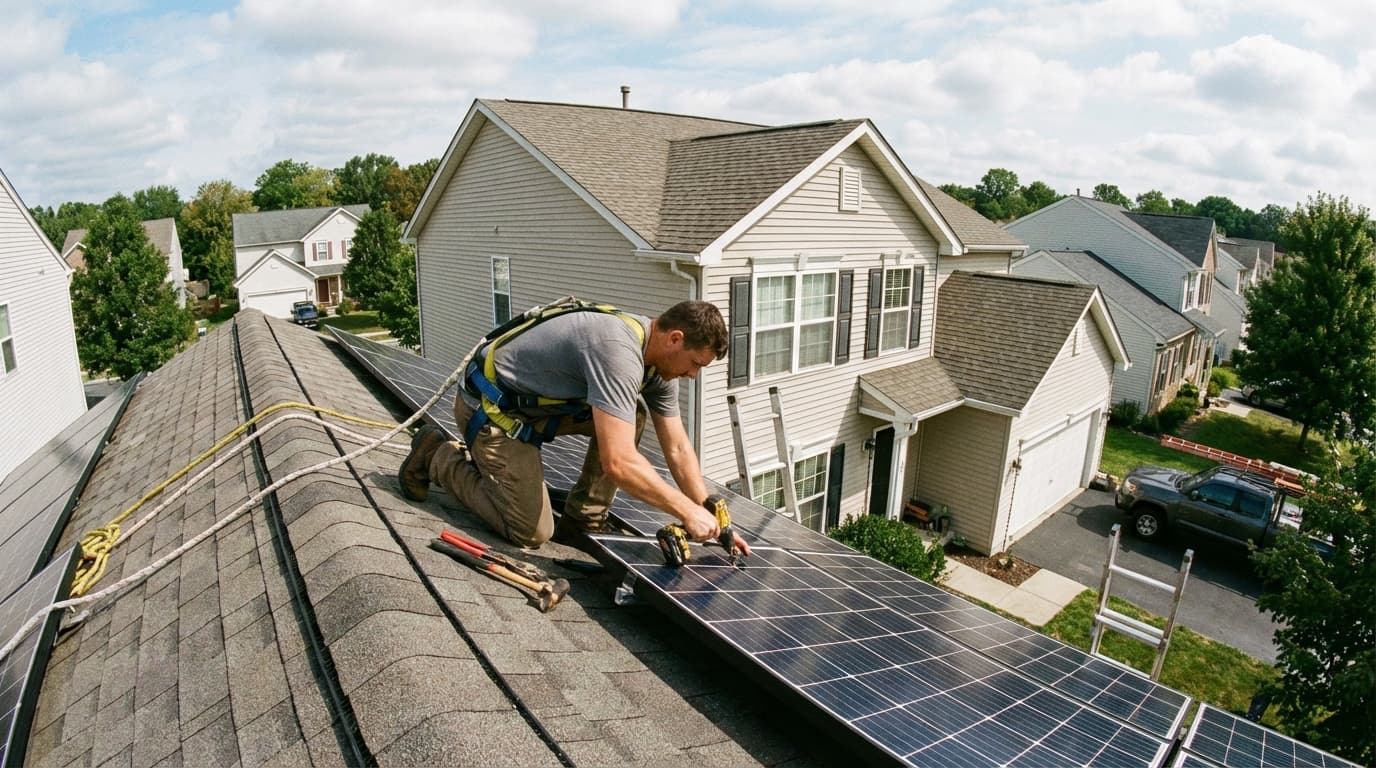
This is the core value proposition of solar energy beyond the immediate savings: solar locks in your electricity cost for 25 to 30 years.
Once you install solar panels, the cost of the electricity they produce is fixed. Whether utility rates rise 3 percent per year, 5 percent per year, or 10 percent per year, your solar electricity costs the same: nothing (after the system is paid off) or a fixed loan payment.
The Compounding Savings Effect
Consider a homeowner paying $150 per month for electricity with rates rising at 4 percent annually:
A solar system that eliminates this bill costs roughly $12,000 after incentives. The savings grow larger every single year as rates climb while solar production costs remain at zero.
What You Can Do About Rising Electricity Costs
Go Solar
Solar is the most effective way to insulate yourself from rising electricity costs. Even in states with currently low rates, the cumulative impact of 25 years of rate increases makes solar a strong investment.
Improve Energy Efficiency
Reducing your overall electricity consumption through insulation, efficient appliances, LED lighting, and smart thermostats saves money regardless of rate changes.
Explore Community Solar
If you cannot install rooftop solar, community solar programs allow you to subscribe to a share of a larger solar installation and receive credits on your electric bill.
Advocate for Fair Rates
Participate in public utility commission hearings and rate case proceedings. Consumer advocacy groups in your state can help you understand and influence the rate-setting process.
The Bottom Line
Electricity rates have been rising for decades, and every indicator suggests they will continue to climb. Solar energy offers a way to step off this escalator and take control of your energy costs for the next 25 to 30 years.
SmartEnergyUSA can help you understand your local rate trends and calculate exactly how much solar would save you over time. Get a free quote today and see the long-term savings for yourself.