What Is Smart Energy? A Complete Guide
Smart energy uses digital technology, IoT sensors, and AI to optimize how we generate, distribute, and consume electricity. Learn how smart grids, smart homes, and renewables are transforming the energy landscape.
What Is Smart Energy?
Smart energy refers to the use of digital technology, data analytics, and intelligent automation to optimize how electricity is generated, distributed, stored, and consumed. It represents a fundamental shift from the traditional one-way power grid to a dynamic, interconnected energy ecosystem that responds in real time to supply, demand, and environmental conditions.
At its core, smart energy is about making our energy systems more efficient, reliable, and sustainable. It combines renewable energy sources like solar and wind with advanced technologies including IoT sensors, artificial intelligence, machine learning, and battery storage to create an energy infrastructure that is cleaner, cheaper, and more resilient than anything that came before.
The Traditional Grid vs. the Smart Grid
To understand smart energy, it helps to know what it is replacing.
The Traditional Power Grid
The conventional electrical grid was designed over a century ago. Large centralized power plants (coal, natural gas, nuclear) generate electricity that flows in one direction through transmission lines to homes and businesses. This system has several fundamental limitations:
The Smart Grid
A smart grid overlays digital communication technology onto the physical electrical infrastructure. Two-way communication between utilities, distributed energy resources, and consumers enables:
Key Technologies Powering Smart Energy
Several technologies work together to make smart energy possible.
Internet of Things (IoT) Sensors
IoT devices are the nervous system of smart energy. Millions of sensors embedded in power lines, transformers, solar panels, batteries, and home appliances collect data continuously. This data feeds into central management systems that optimize grid performance in real time.
Examples of IoT in energy include:
Artificial Intelligence and Machine Learning
AI processes the massive volumes of data generated by IoT sensors to make predictions and optimize operations. Key applications include:
Battery Energy Storage
Battery storage is the technology that makes intermittent renewable energy reliable. By storing excess solar and wind energy when production exceeds demand, batteries can discharge that energy during cloudy periods, nighttime, or peak demand hours.
At the grid scale, lithium-ion battery installations are growing rapidly. At the home level, products like the Tesla Powerwall, Enphase IQ Battery, and Franklin WholHome allow homeowners to store their solar energy and use it when they need it most.
Advanced Metering Infrastructure (AMI)
Smart meters are the consumer-facing component of the smart grid. Unlike traditional meters that simply track total consumption, smart meters provide:
Over 100 million smart meters are now installed across the United States, covering roughly 70 percent of households.
Smart Energy in the Home
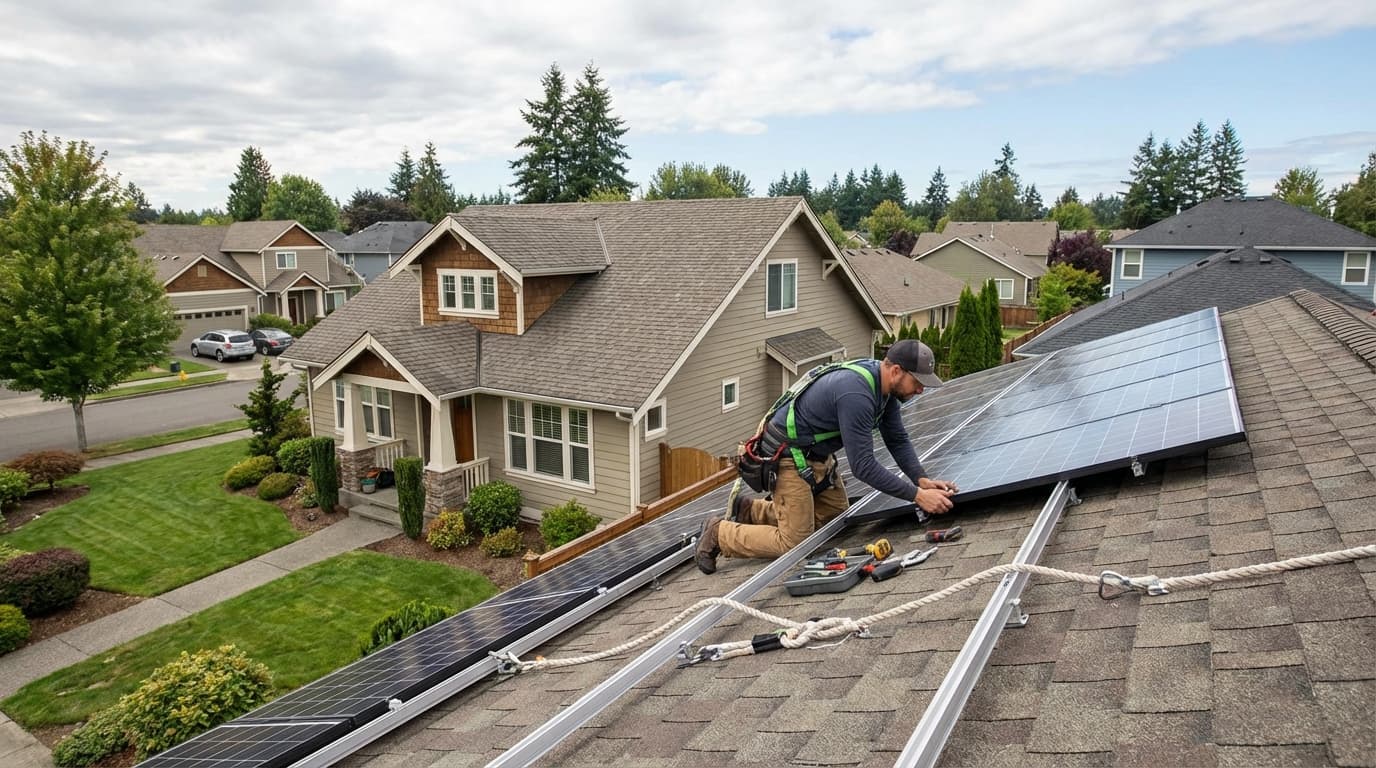
For homeowners, smart energy translates into practical tools and systems that reduce electricity bills and increase energy independence.
Smart Thermostats
Devices like the Ecobee and Google Nest learn your schedule and preferences, automatically adjusting heating and cooling to minimize energy waste. When connected to a smart grid, they can pre-cool your home during off-peak hours and reduce consumption during expensive peak periods.
Home Energy Management Systems (HEMS)
A HEMS integrates your solar panels, battery, EV charger, smart thermostat, and major appliances into a single platform. It optimizes when each device runs based on solar production, battery state, electricity rates, and your preferences.
For example, a HEMS might:
Solar-Plus-Storage Systems
A rooftop solar system paired with a home battery is the foundation of a smart energy home. During the day, solar panels generate electricity that powers your home, charges your battery, and sends excess to the grid. In the evening, the battery discharges to cover your consumption, and any remaining need is drawn from the grid.
With time-of-use rates becoming more common, this setup allows homeowners to avoid the most expensive electricity periods entirely, saving hundreds or even thousands of dollars per year.
Smart Plugs and Appliances
Wi-Fi-connected plugs and smart appliances allow you to monitor and control individual devices remotely. You can identify energy hogs, set schedules, and automate power-off routines for devices that draw standby power.
Smart Energy and Renewable Integration
One of the greatest challenges of renewable energy is intermittency: the sun does not always shine and the wind does not always blow. Smart energy technologies solve this problem through several mechanisms.
Grid Balancing
Smart grid operators use real-time data from thousands of sources to balance electricity supply and demand second by second. When cloud cover reduces solar output across a region, the grid can instantly compensate by dispatching battery storage, adjusting demand response programs, or increasing output from other generators.
Virtual Power Plants
A virtual power plant (VPP) aggregates thousands of distributed energy resources, including rooftop solar systems, home batteries, and EV chargers, into a single coordinated network. The VPP operator can dispatch stored energy from hundreds of home batteries simultaneously, effectively creating a power plant with no physical facility.
VPPs are already operating in several US states, with programs from Tesla, Sunrun, and various utilities paying homeowners to participate.
Vehicle-to-Grid (V2G) Technology
Electric vehicles represent a massive distributed battery network. V2G technology allows EVs to discharge stored energy back to the grid during peak demand periods. A single EV battery can power an average home for 2 to 3 days. Multiplied across millions of vehicles, this creates an enormous flexible energy resource.
The Benefits of Smart Energy
Lower Energy Costs
Smart energy reduces costs at every level. Utilities operate more efficiently, reducing the need for expensive infrastructure upgrades and peaker plants. Consumers benefit from time-of-use optimization, demand response incentives, and reduced reliance on grid electricity through solar and storage.
Greater Reliability
Smart grids detect and respond to outages faster, often before customers even notice. Self-healing grid technology can automatically reroute power around damaged sections, and home batteries provide backup during extended outages.
Environmental Impact
By enabling higher penetration of renewable energy and reducing waste throughout the system, smart energy significantly cuts greenhouse gas emissions. The US Energy Information Administration projects that renewable energy will surpass coal and natural gas as the largest source of US electricity generation by 2027, a transition accelerated by smart grid technology.
Energy Independence
At the household level, solar panels and batteries give homeowners control over their energy supply. At the national level, distributed renewable generation reduces dependence on imported fossil fuels and improves energy security.
Challenges and Considerations
Cybersecurity
A more connected grid creates more potential attack surfaces for cyberattacks. Utilities and technology providers must invest heavily in cybersecurity to protect critical infrastructure. Federal standards like NERC CIP (Critical Infrastructure Protection) set baseline requirements, but the threat landscape evolves constantly.
Privacy Concerns
Smart meters and IoT devices collect detailed data about energy usage patterns, which can reveal information about daily routines and behaviors. Strong data privacy policies and consumer consent frameworks are essential.
Upfront Costs
Smart grid infrastructure requires significant investment from utilities, which is ultimately passed on to ratepayers. However, studies consistently show that the long-term savings from improved efficiency, reduced outages, and deferred infrastructure investments far exceed the upfront costs.
Digital Divide
Not all communities have equal access to smart energy technologies. Rural areas may lack broadband connectivity needed for smart grid communication, and lower-income households may not be able to afford smart home devices or solar installations. Equitable access policies are critical to ensuring smart energy benefits everyone.
The Bottom Line
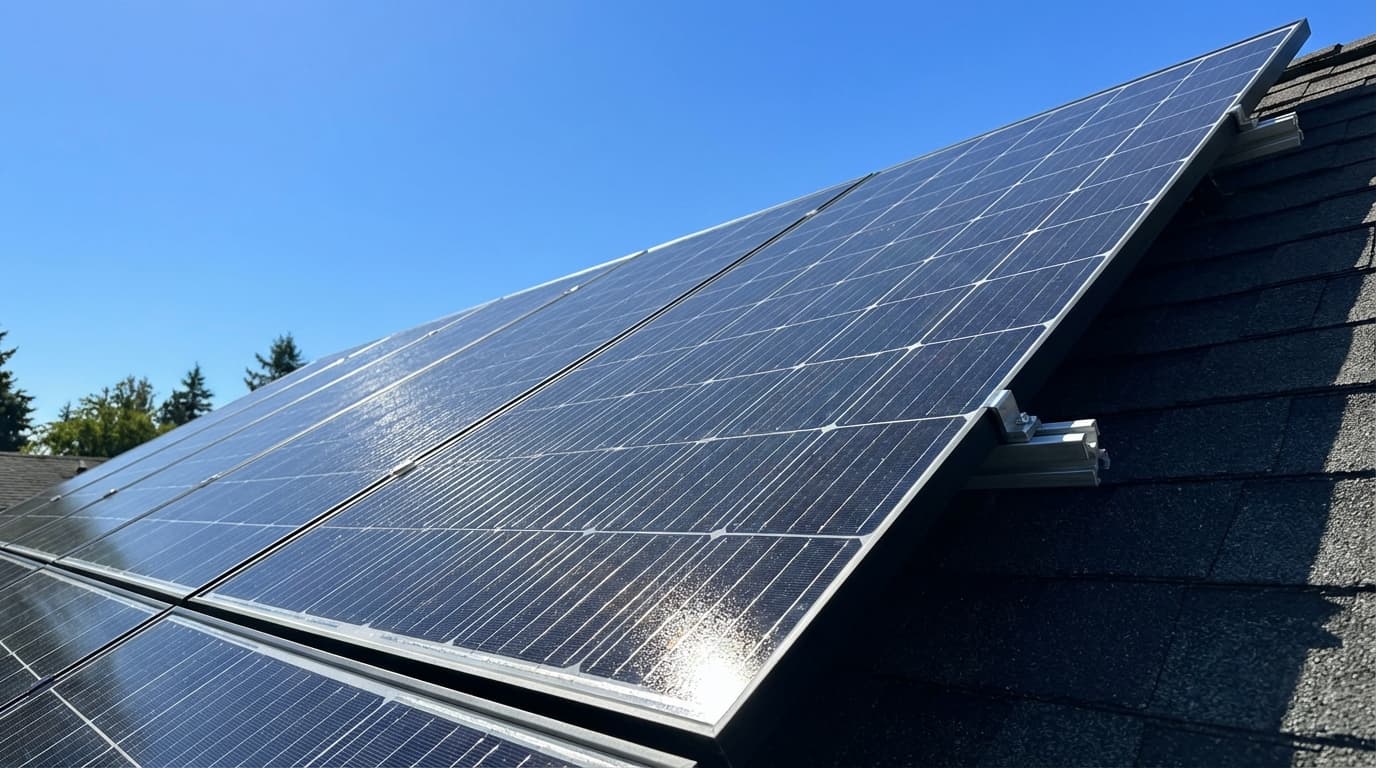
Smart energy is not a future concept; it is happening now. From the smart meters on our homes to the AI systems managing our power grid, digital technology is transforming how we produce and consume electricity. For homeowners, the most impactful step toward smart energy is installing solar panels with battery storage, creating a personal energy system that is clean, affordable, and intelligent.
SmartEnergyUSA helps homeowners navigate the transition to smart energy by connecting them with top-rated solar installers and battery storage providers. Get a free quote today and take the first step toward a smarter energy future.